Mastering the Game of Poker: From Basics to Advanced Strategies
For many enthusiasts, the assertion “ I play poker” signifies not just a hobby, but a passion rooted in skill, psychology, and strategic thinking. Whether you're a newcomer just starting to explore the game or an experienced player aiming to refine your tactics, understanding the core principles forms the foundation for success. While various platforms facilitate this pursuit—ranging from online sites to live tables—the key is a thorough grasp of the game’s mechanics, strategic nuances, and responsible play. At kasinolista.org, players find valuable resources and insights to deepen their comprehension, elevating their experience and confidence around the poker felt or digital interface.
Understanding the Appeal and Fundamentals of Poker
Poker’s universal appeal lies in its blend of chance, skill, and psychological elements. The thrill of uncertain outcomes, combined with the ability to manipulate perceptions and read opponents, creates a dynamic environment that’s both challenging and rewarding. Learning to articulate one’s confidence through betting patterns, bluffing, or reading tells becomes essential. The game’s accessibility—from local home games to major tournaments—supports a broad spectrum of players, each eager to improve and enjoy the camaraderie or competitive edge it provides.
Why People Say “ I play poker”
Admitting “ I play poker” often signals a commitment to continuous learning and strategic mastery. It’s more than just placing bets; it’s about understanding probabilistic odds, reading opponents’ behaviors, and managing emotional responses—especially in high-stakes moments. The dedicated community and resources available online, including kasinolista.org, empower players to hone their skills, explore different variants, and stay updated on the latest strategies and tournaments. This all fosters a sense of belonging and growth within the poker ecosystem.

When players say “ I play poker,” they often mean more than just holding cards; they embrace a game rooted in calculated risk-taking and behavioral psychology. The game’s intricate blend of luck and skill has made it a staple in both casual gatherings and high-profile online tournaments. Recognizing the distinction between luck and skill is crucial for advancing your gameplay and managing expectations—particularly in environments where variance can influence short-term outcomes.
Connecting with the Poker Community and Learning Resources
Engaging with seasoned players and reputable platforms like kasinolista.org offers invaluable insights into effective strategies and current trends. These platforms serve as repositories of knowledge, from basic rules to complex tactics, and help aspiring players build confidence. They also provide information about legal considerations in different regions, ensuring responsible and fair play. As you progress, participating in online tournaments or local games enhances your understanding of different playing styles, which is vital for developing adaptability and resilience at the tables.

Mastering “ I play poker” begins with embracing the game’s core principles, cultivating patience, and practicing disciplined bankroll management. Whether your interest lies in casual home games or competitive online events, developing a strong foundation will improve your decision-making process and your overall enjoyment. Platforms like kasinolista.org become invaluable allies in this journey, guiding you through the essentials and advanced strategies that elevate your play from mere participation to mastery.
ace the table and make every session a strategic success—your poker journey starts with understanding not just how to play, but how to think and adapt like a true professional.Mastering the Game of Poker: From Basics to Advanced Strategies
Building upon the foundational understanding of poker's core rules and the appeal that draws countless players into the game, the next critical phase involves refining your strategic approach. Recognizing that poker is as much about psychological acuity and adaptability as it is about mathematical probabilities becomes paramount for those who sincerely claim, "I play poker." This segment delves into the nuanced tactics that elevate your gameplay—ranging from effective starting hand selection to sophisticated reads of opponents' behavior—drawing on insights available through trusted resources like kasinolista.org to support your growth as a player.
Evaluating Starting Hands and Positional Awareness
One of the first steps toward enhanced strategy is mastering the art of selecting which hands to play. Not all cards are created equal, and understanding hand strength is essential for making profitable decisions early in the hand. For example, premium hands like AA, KK, or AK suited typically warrant aggressive play, especially from a late position where your actions can influence subsequent betting rounds.

Positional awareness further amplifies the power of sound decision-making. Acting later in the betting order provides critical information about opponents’ intentions, allowing you to bluff more effectively or decide to fold when faced with aggressive betting. Conversely, acting early often requires more cautious gameplay, conserving chips for more optimal opportunities. Recognizing these situational factors aligns with the strategic insights found on kasinolista.org, which emphasizes adapting tactics to different gameplay environments and player tendencies.
Reading Opponents and Behavioral Indicators
High-level poker hinges on your ability to interpret subtle cues and behaviors—collectively known as 'reads.' This involves observing betting patterns, timing, physical tells in live play, and betting tendencies online. For instance, a sudden increase in aggression from an otherwise passive opponent could signify a strong hand, while hesitation or inconsistent betting might suggest weakness.

Developing accurate reads requires patience, keen observation, and minimal distraction, especially when maintaining focus amid multiple opponents. Resources like kasinolista.org advocate for a disciplined approach to reading opponents, encouraging players to track tendencies over time and avoid common pitfalls such as overgeneralizing or underestimating tight players’ potential bluffs. Credibility in reading opponents also involves managing your own behavioral signals—eliminating nervous habits that might give away your hand.
Bluffing and Semi-Bluffing Techniques
Bluffing remains one of the most iconic elements of poker, demanding both psychological finesse and strategic timing. The goal is to induce folds from opponents holding weaker hands, creating a profitable edge when successful. Effective bluffing relies on story consistency—your betting patterns must align with the hand you project, whether it's a strong draw or a made hand.
- Identify suitable situations: Bluff when the pot is significant, and the community cards suggest potential strength in your hand, or when opponents show weakness.
- Timing is critical: Select moments when your image and the game flow support a bluff, such as after a missed draw or during high-pressure betting rounds.
- Leverage semi-bluffs: When holding a drawing hand—like a flush or straight draw—you can bet confidently to represent strength while having the potential to improve on subsequent cards.
Refining bluffing skills also involves learning to read opponents’ reactions and adjusting your approach accordingly, based on their tendencies and the dynamics of each table. Kasnoloadista.org offers refresher guides on these tactics, reinforcing the importance of disciplined and thoughtful deception.
Maintaining Discipline and Bankroll Control
Advanced strategy is incomplete without proper bankroll management, which encompasses choosing appropriate stakes, setting limits, and avoiding tilt—emotional disturbances that impair judgment. A well-managed bankroll acts as a buffer against the inherent variance in poker, ensuring longevity and consistent opportunities for growth.

Practicing disciplined bet sizing further safeguards your bankroll. Overbetting can lead to rapid losses during downswings, while underbetting may diminish potential gains. Adopting a strategic bet sizing approach—typically risking a small percentage of your total chips per hand—enables steady growth and resilience against swings. Resources like kasinolista.org provide valuable insights into bankroll management tailored for both casual and competitive players, emphasizing patience and consistency.
Adapting Strategies to Different Environments
Playing online versus live presents distinct challenges and opportunities. Online poker often involves faster gameplay, larger fields of players, and limited physical tells, requiring a focus on pattern recognition and timing. Live play, by contrast, benefits from physical tells and a more nuanced read of opponents’ behaviors, but often involves slower pace and more opportunities for strategic observation.

Adjustments include online players relying more on betting patterns and timing tells, while live players can combine these with physical cues—such as nervous fidgeting or facial expressions. Both environments benefit from disciplined application of core principles like hand selection, position, and psychology, which can be reinforced through resources available at kasinolista.org. Whether in a virtual or face-to-face setting, the hallmark of a strong player remains versatility and continuous learning.

Regular review of your gameplay, seeking feedback from experienced players, and staying updated with new strategies help ensure your evolution from an amateur to a seasoned professional. Embracing this mindset supports your ongoing journey of "I play poker" with confidence, competence, and a sharp strategic edge.
Mastering the Game of Poker: From Basics to Advanced Strategies
Building upon the strategic foundations discussed earlier, refining your approach to reading opponents and executing well-timed bluffs becomes essential for elevating your gameplay. As you gain experience, interpreting subtle behavioral cues and understanding the psychology behind betting patterns will allow you to make more informed decisions and exploit opponents' tendencies. This progression transforms your claim of "I play poker" from basic participation to a disciplined, strategic pursuit rooted in observation, discipline, and adaptability.
Developing a Consistent Observational Routine
In both online and live environments, cultivating a systematic approach to observing opponents enhances your ability to gather valuable information. In live play, physical tells such as nervous gestures, facial expressions, and betting hesitations serve as critical indicators. Concentrating on these cues requires minimizing distractions and maintaining focus throughout each hand. Conversely, online players should analyze betting timing, bet sizing patterns, and table chat tendencies. Keeping detailed notes or using tracking software can help identify consistent behaviors over time—a habit recommended by experienced players on kasinolista.org.

By documenting opponents' tendencies and adjusting your strategy accordingly, you can develop tailored tactics that exploit specific weaknesses. For instance, tight players who rarely bluff can be forced into difficult decisions when you apply pressure, whereas aggressive players may be more susceptible to well-timed semi-bluffs or slow plays. Regular review of these observations supports ongoing learning and adaptation, key components in mastering the nuanced realm of poker psychology.
Enhancing Bluffing Techniques and Managing Tells
Bluffing remains an art that balances psychological insight with situational awareness. Effective bluffs often involve multiple layers: convincingly representing strength, selecting appropriate moments, and managing your own physical or online tells. For example, a seasoned player may adopt a consistent betting pattern that masks their true hand strength, making their bluffs more credible. Similarly, controlling physical tells—like avoiding nervous fidgeting or unnatural breathing—prevents giving away your hand.
- Develop your own 'tell' concealment routines to prevent opponents from reading you.
- Use semi-bluffs strategically when you hold drawing hands, forcing opponents to make tough choices.
- Combine verbal and physical indicators carefully—especially in live play—to add to your deception toolkit.
Practicing these techniques within controlled environments, such as friendly home games or simulated online scenarios, helps embed the skills necessary for critical tournament moments. Resources from kasinolista.org emphasize the importance of patience and discipline in bluffing, underscoring that well-executed deceptions can significantly tilt the table in your favor when used judiciously.
Strategic Bet Sizing and Pot Control
Another facet of advanced play involves mastering bet sizing and pot control. Fluctuations in chip deployment—whether large or small—directly influence your ability to manipulate the game and protect your bankroll. Small bets or raises can keep opponents in the hand with marginal holdings, setting up opportunities for additional value or bluffs. Conversely, large bets may intimidate opponents out of pots or induce folds from weaker hands.

Implementing a consistent strategy, such as risking a fixed percentage of your stack each hand, helps sustain long-term profitability and minimizes the impact of inevitable variance. Adjusting bet sizes dynamically based on hand strength, position, and table dynamics aligns with advice from kasinolista.org, encouraging players to think beyond immediate wins or losses and focus on overarching strategic goals.
Leveraging Game Theory and ICM Principles
At higher levels of play, integrating concepts from game theory, such as equilibrium strategies, becomes advantageous. Techniques like the Independent Chip Model (ICM) are particularly relevant in tournament situations, where the value of chips depends on prize payouts. Recognizing when to protect your chips or apply pressure within these frameworks elevates your strategic depth. Resources at kasinolista.org recommend studying these models and incorporating them into your decision-making process, especially in final table scenarios where each decision carries substantial weight.
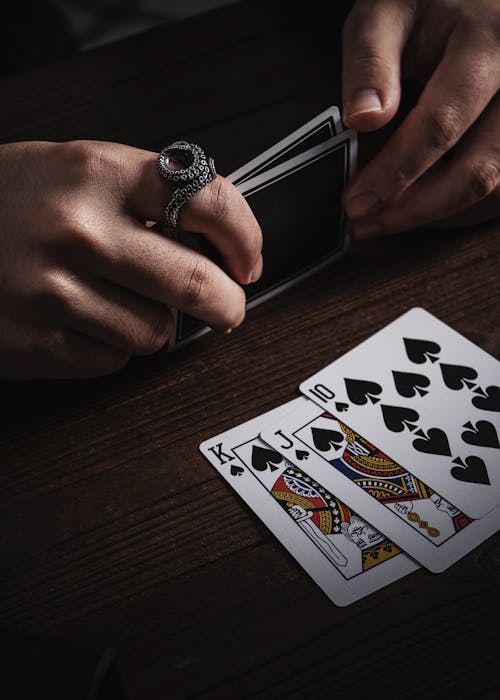
Applying these principles requires a balanced understanding of risk, reward, and the specific context of each game. Continual study and analysis are key; reviewing hand histories or consulting experienced players enhances your grasp of complex strategy layers, rounding out your development as a well-rounded poker competitor claiming "I play poker" with confidence and sophistication.
Mastering the Game of Poker: From Basics to Advanced Strategies
Continuing from the foundational aspects of hand rankings and understanding betting rounds, elevating your game requires a focus on the subtle yet impactful elements of bet sizing, pot control, and adapting to various game situations. Building on previous insights, this section emphasizes how strategic management of chips and psychological tactics can dramatically influence your overall success. Recognizing that every decision at the table contributes to your long-term profitability, players committed to "I play poker" should cultivate a disciplined approach rooted in both mathematical soundness and psychological finesse.
Refining Bet Sizing and Pot Control
Effective bet sizing directly impacts the flow of the game. Small bets and raises serve to keep weaker hands in contention, enabling you to extract value from marginal holdings or set up bluffs. Conversely, larger bets can serve as a tool for intimidation, forcing opponents to fold stronger hands or positioning you for a sizable pot when holding a premium hand. Striking the right balance involves understanding your opponents’ tendencies, the size of the pot, and your own hand strength. Platforms like kasinolista.org champion the practice of adaptive bet sizing, which involves sizing bets responsively rather than fixed amounts, thereby keeping opponents uncertain and maximizing your fold equity.

Pot control is equally vital, particularly in deep-stacked cash games and tournament play. By controlling the size of the pot—either by check-raising, opting for smaller bets, or slow-playing premium hands—you manage risk while keeping the game within your strategic comfort zone. This approach also allows you to manipulate pot odds and draw potential, especially when facing aggressive opponents. Kasinolista.org emphasizes that mastering this discipline can significantly reduce variance's impact, providing a steady pathway toward consistent winnings.
Applying Game Theory in Poker Decisions
In high-level poker, understanding and applying principles from game theory, such as Nash equilibrium strategies, enhances decision-making under complex scenarios. For instance, knowing when to deploy balanced ranges or to exploit opponents’ deviations is crucial in multiway pots or late-stage tournaments. The use of ICM (Independent Chip Model) strategies becomes particularly prominent during final tables, where chips carry different values based on payout structures. Studying these concepts enriches your strategic arsenal, enabling you to make mathematically sound decisions that maximize expected value regardless of how the hand unfolds. Resources at kasinolista.org recommend integrating these models into your overall approach to become a more versatile and formidable player.

Analyzing Opponent Behavior for Strategic Advantage
Observation remains a cornerstone of advanced play. Beyond physical tells in live poker, online players leverage betting patterns, timing, and chat behavior to decode opponents’ holdings. Keeping detailed notes on opponents’ tendencies—such as how they respond to aggression or their propensity to bluff—facilitates targeted exploitation. Kasinolista.org encourages consistent tracking and review of these tendencies, allowing you to adjust your strategies dynamically. For instance, recognizing a loose player who calls too much offers opportunities for value betting, while tight opponents can be bluffed more frequently in appropriate contexts.

Strategic Deception and Managing Your Tells
Bluffing and semi-bluffing are essentials for manipulating opponents, but their success hinges on controlling your own behavior and signals. Developing routines that mask physical tells—such as nervous habits or facial expressions—reduces your predictability. Online, this involves purposeful timing and bet sizing to mimic strong hands even when weak, making your bluffs more convincing. Kasinolista.org offers guidance on creating consistent betting patterns and minimizing tell leakage, which are vital for maintaining a credible image at the table. Remember, the most effective bluff is the one that opponents don’t see coming, which is achieved through disciplined concealment of your tells and judicious timing.
Balancing Aggression and Caution in Gameplay
Striking the right balance between aggression and caution requires understanding the game state, your chip stack size, and your opponents’ tendencies. Aggressive play—such as frequent raises and re-raises—can pressure opponents and win pots uncontested. However, overly aggressive tactics without proper hand selection or positional awareness can lead to significant losses. Conversely, too cautious a style may miss opportunities to extract value or apply pressure. Kasinolista.org advocates for a flexible approach, where you adjust your level of aggression based on the table dynamics, stack sizes, and your read on opponents, thereby ensuring that your style remains unpredictable and effective in different contexts.
Integrating Theory and Practice for Long-term Success
Advanced players routinely review their hand histories, analyze their mistakes, and incorporate insights from theory into their live or online play. Combining mathematical rigor with psychological finesse creates well-rounded strategies that withstand variance and adapt to changing game dynamics. Continuous learning—through resources, peer feedback, and self-assessment—is critical to moving beyond basic tactics and establishing a style that reliably produces results. Kasinolista.org serves as a comprehensive hub for these resources, guiding players to refine their strategies continually and evolve into successful, confident poker players who wholeheartedly affirm, "I play poker" with skill and discipline.
Mastering the Game of Poker: From Basics to Advanced Strategies
By now, having built a solid understanding of hand rankings and crafted your approach to bet sizing and pot control, it’s time to deepen your strategic toolkit. Recognizing the importance of opponent behavior analysis and effective deception enables you to manipulate the table in your favor, elevating your saying "I play poker" from casual participation to disciplined mastery. Connecting these elements with insights from kasinolista.org facilitates a comprehensive approach that integrates psychological awareness, mathematical precision, and situational adaptability—cornerstones of advanced poker play.
Refining Opponent Reading Skills for Strategic Advantage
Opportunities to exploit opponents multiply significantly once you can interpret their tendencies with accuracy. Developing a systematic observation routine is crucial. In live settings, this involves watching for physical tells, such as nervous gestures, facial expressions, or betting hesitations. Online, focus shifts to betting patterns, timing, chat behaviors, and bet sizing. Maintaining detailed notes on individual opponents helps in creating behavioral profiles, allowing you to make more precise decisions during the game.

Consistent review of these habits over multiple sessions will reveal exploitable patterns. For example, a passive player may frequently call bets but rarely raise, indicating a tight or cautious approach. Conversely, an overly aggressive opponent might thin-value bet or bluff excessively, providing opportunities for semi-bluffs or fold-based strategies. Kasinolista.org offers strategic frameworks for tracking and exploiting these tendencies, emphasizing the importance of patience and disciplined note-taking.
Mastering Deceptive Play: The Art of Bluffing and Managing Tells
Effective bluffing and semi-bluffing hinge on timing, story consistency, and managing your own behavioral signals. A key component is controlling physical tells during live play—such as nervousness, facial expressions, or unnatural movements—that could give your hand away. Online, this translates into consistent betting patterns, avoiding timing irregularities, and maintaining a neutral image to prevent opponents from reading your intentions.
Creating routines that hide telltale behaviors is essential. This might involve predefining bet sizes, using similar gestures regardless of hand strength, or practicing deliberate calmness. Kasinolista.org underscores that disciplined tell management is as crucial as the strategic application of deception, ensuring bluffs are credible and opponents’ mistakes are capitalized upon.
Optimizing Bet Sizing and Pot Control in Complex Scenarios
Bet sizing is not merely about risking chips; it’s a strategic lever for controlling the pot and influencing opponents' decisions. Small bets and raises are invaluable for keeping opponents in the hand with marginal holdings, setting the stage for value extraction or semi-bluffs. Large bets serve to polarize ranges, apply pressure, or extract maximum value when holding strong hands.

In deeper stacks and tournament structures, using bet sizing and check-raises prudently helps manage risk while maximizing potential gains. Slow-playing premium hands, such as set or straight draws, allows you to disguise strength, trapping opponents for larger pots later. Kasinolista.org advocates for flexible, situation-dependent sizing strategies that align with your overall game plan and table dynamics, fostering long-term consistency.
Applying Game Theory and ICM to Advance Your Strategy
To reach higher levels of game sophistication, integrating principles from game theory provides a mathematical edge. Recognizing Nash equilibrium ranges and balancing your betting frequencies reduces predictability. During tournaments, understanding the Independent Chip Model (ICM) informs critical decisions—such as when to push all-in, fold, or apply pressure—especially near the final stages where payout structures heavily influence optimal play.

Studying these advanced models via kasinolista.org and incorporating their concepts into your gameplay fortifies your ability to make mathematically sound choices amidst complex, evolving situations. This strategic depth ensures your ‘‘I play poker’’ declaration reflects not only familiarity with the game but also mastery of its highest tactics.
Exploiting Opponent Tendencies for Maximum Gain
Behavioral analysis and note-taking give you a competitive edge, enabling targeted exploitation of opponents' weaknesses. Against loose players, value betting with strong hands is often more profitable, as they tend to call wider. Against tight or overly cautious opponents, aggressive plays and bluffing become vital tools. Monitoring their responses over multiple sessions sharpens your understanding and helps you craft tailored strategies.
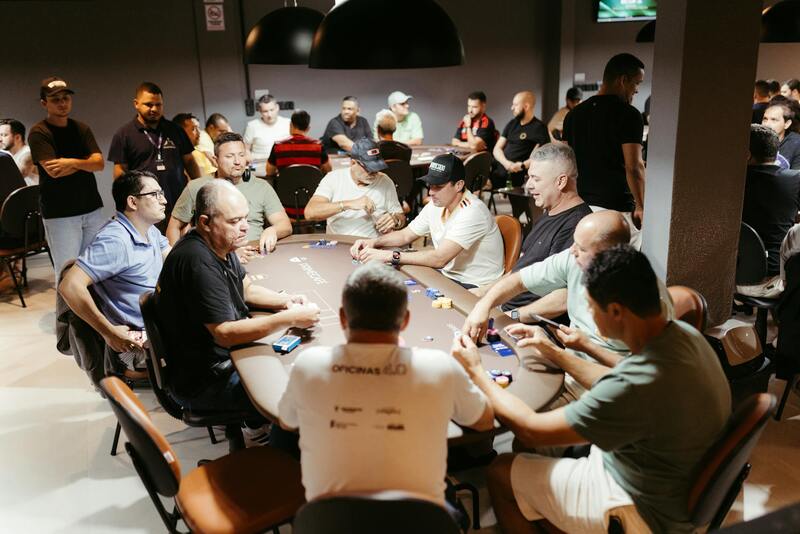
Consistent review of these tendencies encourages adjustment and prevents predictable play—crucial in avoiding exploitation yourself. Kasinolista.org emphasizes diligent opponent tracking and adapting strategies to maintain the initiative, reinforcing that flexible, informed play is the hallmark of a skilled competitor who confidently claims, "I play poker".
The Strategic Value of Disguised Hands and Tells
To succeed at the highest levels, concealment of your own physical or online tells must be second nature. Developing routines to maintain a neutral demeanor, regardless of hand strength, prevents opponents from gaining an edge. In online play, consistency in timing and bet sizing minimizes tell leakage, making your bluffs and value bets more effective.
- Practice routines that create uniform physical behaviors during live play.
- Adopt uniform bet timing and sizes in online settings.
- Review recordings or hand histories to identify potential tell leakage.
These practices are reinforced on kasinolista.org, which advocates for disciplined behavior management and strategic deception as essential tools in your arsenal.
Balancing Aggression and Caution Dynamically
Effective players adapt their aggression levels based on the flow of the game, stack sizes, and the tendencies of opponents. Overaggression can lead to reckless losses, while excessive caution might forfeit valuable opportunities. Recognizing when to polarize your strategy ensures unpredictability and maximizes fold equity or value extraction.
For instance, applying pressure when opponents appear weak or when pot odds favor such strategies turns the tide in your favor. Conversely, tightening up in unfamiliar or unfavorable situations preserves your chips and keeps you in control. Kasinolista.org provides strategic insights into dynamically adjusting play, emphasizing the importance of situational awareness and discipline.
Integrating Theory, Observation, and Experience for Continuous Growth
The path to becoming a formidable poker player involves consistent reflection—reviewing hand histories, studying advanced concepts, and seeking feedback from peers and mentors. Combining rigorous mathematical understanding with psychological finesse creates a comprehensive strategy adaptable across various formats and opponents.
Every session brings lessons—whether from successful bluffs, misreads, or unexpected outcomes. Embracing continuous learning and leveraging resources like kasinolista.org ensures your "I play poker" journey remains evolving, disciplined, and strategically sound, ultimately leading to consistent victories and mastery of the game.
Mastering the Game of Poker: From Basics to Advanced Strategies
Building upon the earlier discussions about reading opponents and deploying deception effectively, an essential aspect that separates novice players from seasoned professionals is the strategic application of bet sizing and pot control. As players progress from understanding fundamental rules to implementing nuanced tactics, refining how chips are committed during each hand becomes a critical element of success. This involves not only choosing the right size for raises and bets but also managing the overall flow of the game to maximize profit and minimize losses. Resources such as kasinolista.org undersc21recommend serve as vital guides in mastering these concepts, highlighting how disciplined bet sizing and strategic pot management can tilt the odds in your favor over the long term.
Dynamic Bet Sizing Strategies
Effective bet sizing is context-dependent, tailored to the specific situation at the table, your image, and the stage of the hand. Smaller bets—typically risking around 25-50% of the pot—are useful when you want to extract marginal value, induce bluffs, or keep opponents in the hand with weaker holdings. Larger bets, often 75-100% of the pot, are employed to apply pressure, protect strong hands, or polarize opponents' ranges. Developing the ability to switch seamlessly between these sizes based on reads and table dynamics is crucial. Kasinolista.org emphasizes the importance of maintaining unpredictability; for example, mixing up your bet sizes prevents observant opponents from reading your hand and exploiting your predictable patterns.
Pot Control and Managing Risk
While aggressive betting can lead to significant winnings, controlling the size of the pot—especially when holding marginal hands—is equally vital. Slow-playing preposterously strong hands like sets or flushes in certain situations not only conceals your strength but also allows you to build a larger pot when the opportunity arises. Conversely, in scenarios where your hand may be vulnerable, minimizing the pot with check or smaller bets reduces potential losses. Kasinolista.org advocates for balancing aggressive and cautious approaches, ensuring you capitalize on building pots when ahead while safeguarding chips against unwarranted risk.

Applying Game Theory and ICM Principles
Advanced strategic thinking incorporates game theory, especially when facing multiple opponents or nearing the critical final stages of tournaments. Using equilibrium strategies, such as balanced ranges and frequency-based betting, decreases predictability. The Independent Chip Model (ICM) provides a framework for deciding whether to push all-in, call, or fold during critical moments, such as near the money bubble or final table. Kasinolista.org advocates for regular study of these models, integrating them into your decision-making process to ensure optimal plays that maximize expected value.
Exploiting Opponents' Behavioral Tendencies
Intuitive observation, augmented by diligent note-taking, enables you to exploit opponents based on their betting tendencies and physical or behavioral tells. Recognizing patterns—such as a tendency to overfold, bluff excessively, or call wide—allows you to tailor your strategy accordingly. Semi-bluffs can be especially effective against loose players, applying pressure and possibly extracting value from draws while disguising your strength. Effective use of these tactics, as advised by kasinolista.org, relies on continual behavioral tracking and situational awareness, transitioning you from a reactive to a proactive player who manipulates the table with precision.
The Art of Telling a Consistent 'Story'
One subtle yet vital aspect of deception is creating a consistent and credible 'story' with your betting pattern. Whether representing a strong hand with a large river bet or semi-bluffing with a drawing hand, your actions must align to reinforce the narrative you craft. In live play, controlling physical tells—such as nervous gestures or facial cues—is essential. Online, maintaining uniform timing and bet sizes makes your story believable. Kasinolista.org underscores that disciplined storytelling not only prevents opponents from pinpointing your strategy but also builds their confidence in making mistakes against your well-constructed façade.
Balancing Aggression and Caution in Fine-Playing
The highest level of strategic play involves dynamically adjusting your aggression based on real-time factors—opponent tendencies, chip stacks, and game flow. Overly aggressive tactics risk blowing up your stack, whereas overly cautious play may relinquish opportunities to accumulate chips. Effective players read the table and modify their approach—bluffing relentlessly when opponents are tight or tightening the range against aggressive players who chase draws. Kasinolista.org advocates for adaptable strategies, emphasizing that situational awareness and discipline enable you to maintain unpredictability and control, key to consistently maximizing your value and minimizing losses.
Combining Mathematical Rigor with Psychological Acumen
Achieving mastery demands the fusion of quantitative analysis—through understanding odds, expected value, and equilibrium strategies—with psychological finesse. Reviewing hand histories, studying opponent behavior, and applying game theory-driven concepts culminate in a holistic approach. Continually sharpening both aspects ensures your decisions are not only mathematically sound but also psychologically compelling, making it harder for opponents to exploit your play. Kasinolista.org functions as a central repository for these advanced insights, guiding dedicated players to develop a balanced, disciplined, and effective poker game that reliably claims, "I play poker" with confidence, skill, and strategic depth.
Mastering the Game of Poker: From Basics to Advanced Strategies
Building on previous insights into hand rankings and the importance of bet sizing, the next step toward true mastery involves understanding the structure of betting rounds and the range of possible player actions. Recognizing how each betting decision shapes the pot and influences opponents' behaviors allows you to develop a more nuanced approach, critical for players who genuinely claim, "I play poker." Reliable strategic decision-making hinges on adapting to different game stages, table dynamics, and opponent tendencies—values reinforced by resources on kasinolista.org, which guide players through complex decision trees with clarity and confidence.
Understanding the Flow of Betting Rounds
A standard poker game proceeds through a sequence of betting rounds, each offering players opportunities to fold, call, raise, or check (when no bets have been made in that round). The structure varies slightly among different variants, but in Texas Hold'em, for example, four main betting phases occur: pre-flop, flop, turn, and river. Each phase serves a strategic purpose, influencing pot size, betting pressure, and information available to all players.

Initially, players decide whether to enter the hand by posting blinds or folding. As the community cards are revealed in subsequent rounds, players adjust their strategies—betting for value, bluffing, or exercising pot control—based on their hand strength, position, and table image. Recognizing the significance of each stage and timing your actions accordingly gives you a strategic advantage consistently emphasized in kasinolista.org’s guides.
Player Actions and Their Strategic Implications
Understanding your options at each betting point is fundamental. The four primary actions include:
- Fold: Discard your hand, conserving chips when the situation is unfavorable.
- Call: Match the current highest bet to stay in the hand, often when you have a decent but not premium hand.
- Raise: Increase the stakes to assert pressure, build the pot, or bluff opponents, especially when your hand or position warrants it.
- Check: Pass the action without betting, available only when no previous bet has been made in the current round, allowing for deception or pot control.
Each action signals different levels of confidence and influences subsequent behavior at the table. Mastering when and how to deploy these options—whether to trap opponents with slow plays, extract value from strong hands, or bluff convincingly—is essential for anyone who says, "I play poker." Kasinolista.org offers deep dives into these decision-making processes, supported by practical examples and real-game scenarios.
Strategic Bet Sizing Across Betting Rounds
The size of your bets and raises critically impacts both the image you project and your leverage in a hand. Small bets can induce calls and set up semi-bluffs, while large bets exert pressure and can force opponents to fold marginal holdings. Dynamic bet sizing adapts to factors such as hand strength, opponent tendencies, and positional advantage.

For example, in the pre-flop stage, raising three to four times the big blind is conventional, but altering this size based on the table’s aggression or your hand’s strength can be highly effective. During later streets, sizing large when confident or smaller to induce bluffs can turn marginal situations into profits. Kasinolista.org underscores the importance of mixing bet sizes to maintain unpredictability, ensuring opponents cannot easily deduce your hand strength, which enhances your overall strategic depth.
Managing Pot Limit and Stack Size Variations
As the game progresses, managing the size of the pot becomes a strategic skill. Controlled betting and avoiding bloated pots with marginal holdings reduces variance exposure, which is crucial in deep-stack cash games and tournament play. Slow-play can maximize gains with premium holdings, while cautious bets preserve chips against aggressive opponents or unfavorable board textures.

Kasinolista.org emphasizes the importance of evaluating your position within the current pot size and the potential range of opponents' holdings. Smart pot control not only conserves chips but also manipulates opponents’ decisions, encouraging mistakes. Whether you're extracting value or protecting your stack, mastering these subtleties elevates your game beyond simplistic betting and folding, transforming you into a more unpredictable and strategic player claiming "I play poker" with precision and confidence.
Incorporating Game Theory and Real-Time Adjustments
Higher-level players incorporate game theory strategies like Nash equilibrium to balance their actions, avoiding predictability. During critical moments—such as heads-up situations or final table decisions—applying game theory principles guides your balancing of aggression and caution, making it difficult for opponents to counter your tactics. Kasinolista.org advocates for ongoing study and practice of these models, complemented by live or simulated scenarios that reinforce your ability to adapt quickly and efficiently under changing game dynamics.

Dynamic adjustments based on real-time reads and previously established ranges can tip the outcome in your favor, especially under pressure. Recognizing when to veer from standard plays—such as deviating from expected ranges or exploiting opponents’ predictable behaviors—underscores advanced strategic thinking. The combination of theoretical knowledge and situational awareness emphasizes a holistic approach to "I play poker," where flexibility and disciplined planning yield consistent success.
Conclusion: Embracing a Strategic Mindset
Understanding the intricacies of betting rounds, player actions, and implied strategies form the backbone of any serious poker player. Continuous learning from trusted resources like kasinolista.org, coupled with consistent practice and review, transforms casual participation into disciplined mastery. Each decision, each bet, and each read contributes to your reputation at the table—your image as a player "who plays poker" with skill, discipline, and strategic finesse. Developing patience and discipline in managing each phase of the game ensures that your journey toward becoming a proficient, confident player remains purposeful and rewarding.
Bankroll Management and Betting Tips
Building upon the detailed understanding of betting rounds, player actions, and strategic decision-making, the next critical component of elevating your poker game involves disciplined bankroll management paired with optimized betting strategies. These elements ensure that your approach remains sustainable, especially as you transition from casual play to more serious, profit-oriented sessions. At kasinolista.org, seasoned players and beginners alike find comprehensive advice geared toward balancing risk, mimicking professional standards, and fostering long-term success.
Effective Bankroll Management Principles
Bankroll management underpins every successful poker player’s routine. It involves establishing appropriate limits for buy-ins and ensuring you only risk a manageable percentage of your total bankroll in any single session. Typically, for cash games, players are advised to have at least 20-50 buy-ins for their stakes to absorb variance and avoid going broke from short-term downswings. In tournaments, since payout structures vary, a similar principle applies—matching your buy-ins to your bankroll proportion and adjusting as your skill level improves.

Sticking to this discipline prevents reckless overextension, reduces stress, and allows for strategic play rather than desperation moves. Kasnolista.org advocates for periodic bankroll reviews, especially after significant losing or winning streaks, to recalibrate your limits and avoid tilt or emotional decision-making that can erode your bankroll and confidence.
Optimal Bet Sizing Strategies
Bet sizing directly influences your table image, fold equity, and potential winnings. Small bets—around 25-50% of the pot—are effective for value extraction against weaker opponents or when building the pot with strong holdings. Larger bets, often 75-100%, serve strategic purposes such as protection, polarizing opponents’ ranges, or inducing folds during bluff attempts.
In cash games, calculating your bet as a percentage relative to the pot and your perceived opponent range helps maintain unpredictability. In tournaments, adjusting bet sizes based on stack sizes, position, and the stage of the game—like the bubble or final table—becomes crucial for maximizing expected value. Kasnolista.org emphasizes the importance of mixing bet sizes to prevent opponents from reading your intentions, thereby increasing your fold equity and overall leverage.
Bluffing and Semi-Bluffing Attitudes
Effective bluffing hinges on timing, story development, and tell management. To succeed, your betting patterns must be consistent with the perceived strength of your hand. For instance, semi-bluffs with draws—such as a backed flush or straight—can pressure opponents into fold or set up for subsequent value bets if the draw completes.
Practicing controlled tells, maintaining a steady physical demeanor, or synchronizing your betting timing online are critical. Kasnolista.org recommends building routines that hide tells and developing situational awareness—key to turning bluff attempts into profitable exploits over time. The goal is to make opponents doubt their reads and fold better hands or call with worse, turning bluffs into win-win decisions.
Understanding and Applying Pot Control
Managing the size of the pot is essential for protecting your chips when holding marginal hands or when less confident in your reads. Slowplaying strong hands—such as checking or making small bets—can hide your strength, enticing opponents to build the pot for you. Conversely, extracting value with larger bets when confident, or reducing exposure by checking behind in dangerous situations, supports a balanced strategy.
In deeper stacks or tournament scenarios, controlling pot size impacts future decision-making and variance mitigation. Kasnolista.org advises players to tune their bet sizing to the specific context—such as the number of opponents, position, and hand strength—ensuring that every bet or fold aligns with your overarching plan and current game state.
Incorporating Game Theory and ICM Principles
At advanced levels, understanding game theory concepts like Nash equilibriums and equilibrium ranges guides the choice of size and frequency for bets, raises, and folds. The Independent Chip Model (ICM), particularly relevant in tournament final stages, helps you evaluate whether to push all-in, fold, or apply pressure based on payout implications. Kasnolista.org emphasizes studying these models and incorporating them into your decision-making repertoire, which reduces opponent predictability and maximizes expected value across various scenarios.

Exploiting Opponent Tendencies with Focused Strategies
Gathering behavioral data over multiple sessions enables you to exploit opponents effectively. Against loose or passive players, valuing strong hands becomes more profitable, while aggressive opponents can be manipulated through well-timed semi-bluffs and bluffs, especially when their tendencies show overconfidence. Tracking betting patterns, physical tells in live settings, or chat chats in online play supports this strategy—advantages extensively discussed at kasinolista.org.
Continual review ensures you adapt your approach, avoiding predictability and exploiting evolving tendencies. This disciplined adaptability ensures you remain a step ahead, claiming "I play poker" not by luck but through consistent, informed strategic play.
The Value of Distraction-Free Play and Focus
Finally, disciplined bankroll management and precise bet sizing are only effective if your focus remains sharp. Eliminating distractions, practicing mindfulness, and managing tilt are essential for making rational, strategic decisions. As you develop your skills, maintaining a steady mental state—especially during long sessions—becomes crucial for executing your tactics flawlessly and capitalizing on every opportunity to maximize winnings.
Kasinolista.org advocates mental discipline techniques, such as breathing exercises or breaks, to sustain concentration and emotional control. This holistic approach binds together your financial discipline, strategic bet sizing, and psychological resilience, ultimately reinforcing your claim of "I play poker" as a disciplined, successful player.
Bankroll Management and Betting Tips
Building on the detailed understanding of betting rounds, player actions, and strategic decision-making, the next critical component of elevating your poker game involves disciplined bankroll management paired with optimized betting strategies. These elements ensure that your approach remains sustainable, especially as you transition from casual play to more serious, profit-oriented sessions. At kasinolista.org, seasoned players and beginners alike find comprehensive advice geared toward balancing risk, mimicking professional standards, and fostering long-term success.
Effective Bankroll Management Principles
Bankroll management underpins every successful poker player’s routine. It involves establishing appropriate limits for buy-ins and ensuring you only risk a manageable percentage of your total bankroll in any single session. Typically, for cash games, players are advised to have at least 20-50 buy-ins for their stakes to absorb variance and avoid going broke from short-term downswings. In tournaments, since payout structures vary, a similar principle applies—matching your buy-ins to your bankroll proportion and adjusting as your skill level improves.

Sticking to this discipline prevents reckless overextension, reduces stress, and allows for strategic play rather than desperation moves. Kasnolista.org advocates for periodic bankroll reviews, especially after significant losing or winning streaks, to recalibrate your limits and avoid tilt or emotional decision-making that can erode your bankroll and confidence.
Optimal Bet Sizing Strategies
Bet sizing directly influences your table image, fold equity, and potential winnings. Small bets—around 25-50% of the pot—are effective for value extraction against weaker opponents or when building the pot with strong holdings. Larger bets, often 75-100%, serve strategic purposes such as protection, polarizing opponents’ ranges, or inducing folds during bluff attempts.
In cash games, calculating your bet as a percentage relative to the pot and your perceived opponent range helps maintain unpredictability. In tournaments, adjusting bet sizes based on stack sizes, position, and the stage of the game—like the bubble or final table—becomes crucial for maximizing expected value. Kasnolista.org emphasizes the importance of mixing bet sizes to prevent opponents from reading your intentions, thereby increasing your fold equity and overall leverage.
Bluffing and Semi-Bluffing Attitudes
Effective bluffing hinges on timing, story development, and tell management. To succeed, your betting patterns must be consistent with the perceived strength of your hand. For instance, semi-bluffs with draws—such as a backed flush or straight—can pressure opponents into fold or set up for subsequent value bets if the draw completes.
Practicing controlled tells, maintaining a steady physical demeanor, or synchronizing your betting timing online are critical. Kasnolista.org recommends building routines that hide tells and developing situational awareness—key to turning bluff attempts into profitable exploits over time. The goal is to make opponents doubt their reads and fold better hands or call with worse, turning bluffs into win-win decisions.
Understanding and Applying Pot Control
Managing the size of the pot is essential for protecting your chips when holding marginal hands or when less confident in your reads. Slowplaying strong hands—such as checking or making small bets—can hide your strength, enticing opponents to build the pot for you. Conversely, extracting value with larger bets when confident, or reducing exposure by checking behind in dangerous situations, supports a balanced strategy.
In deeper stacks or tournament scenarios, controlling pot size impacts future decision-making and variance mitigation. Kasnolista.org emphasizes the importance of evaluating your position within the current pot size and the potential range of opponents' holdings. Smart pot control not only conserves chips but also manipulates opponents’ decisions, encouraging mistakes. Whether you're extracting value or protecting your stack, mastering these subtleties elevates your game beyond simplistic betting and folding, transforming you into a more unpredictable and strategic player claiming "I play poker" with precision and confidence.
Applying Game Theory and Real-Time Adjustments
Higher-level players incorporate game theory, especially when facing multiple opponents or nearing the critical final stages of tournaments. Using equilibrium strategies, such as balanced ranges and frequency-based betting, decreases predictability. The Independent Chip Model (ICM), particularly relevant in tournament final stages, helps you evaluate whether to push all-in, fold, or apply pressure based on payout implications. Kasnolista.org emphasizes studying these models and incorporating them into your decision-making process, which reduces opponent predictability and maximizes expected value across various scenarios.
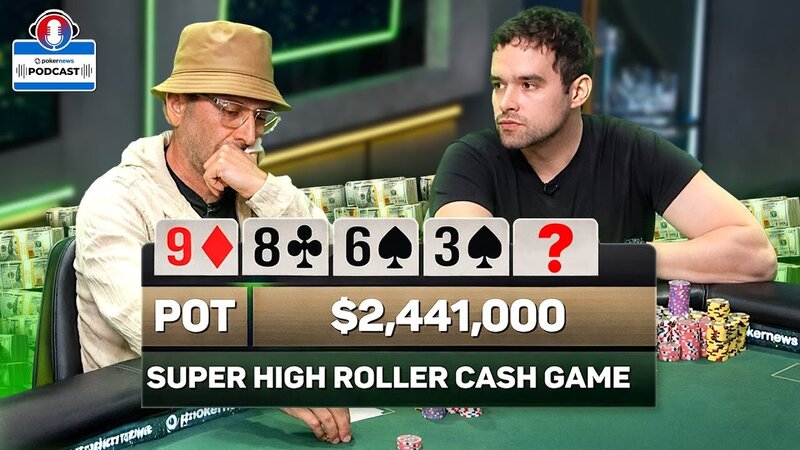
Studying these advanced models via kasinolista.org and incorporating their concepts into your gameplay fortifies your ability to make mathematically sound choices amidst complex, evolving situations. This strategic depth ensures your ‘‘I play poker’’ declaration reflects not only familiarity with the game but also mastery of its highest tactics.
Exploiting Opponent Tendencies for Maximum Gain
Behavioral analysis and note-taking give you a competitive edge, enabling targeted exploitation of opponents' weaknesses. Against loose players, value betting with strong hands becomes more profitable, as they tend to call wider. Against tight or overly cautious opponents, aggressive plays and bluffing become vital tools. Monitoring their responses over multiple sessions sharpens your understanding and helps you craft tailored strategies. Consistent review of these tendencies encourages adjustment and prevents predictable play—crucial in avoiding exploitation yourself. Kasnolista.org emphasizes diligent opponent tracking and adapting strategies to maintain the initiative, reinforcing that flexible, informed play is the hallmark of a skilled competitor who confidently claims, "I play poker".
The Art of Telling a Consistent 'Story'
One subtle yet vital aspect of deception is creating a consistent and credible 'story' with your betting pattern. Whether representing a strong hand with a large river bet or semi-bluffing with a drawing hand, your actions must align to reinforce the narrative you craft. In live play, controlling physical tells—such as nervous gestures or facial cues—is essential. Online, maintaining uniform timing and bet sizes makes your story believable. Kasnolista.org underscores that disciplined storytelling not only prevents opponents from pinpointing your strategy but also builds their confidence in making mistakes against your well-constructed façade.
Balancing Aggression and Caution in Fine-Playing
The highest level of strategic play involves dynamically adjusting your aggression based on real-time factors—opponent tendencies, chip stacks, and game flow. Overly aggressive tactics risk blowing up your stack, whereas overly cautious play may relinquish opportunities to accumulate chips. Effective players read the table and modify their approach—bluffing relentlessly when opponents are tight or tightening the range against aggressive players who chase draws. Kasnolista.org advocates for adaptable strategies, emphasizing that situational awareness and discipline enable you to maintain unpredictability and control, key to consistently maximizing your value and minimizing losses.
Combining Mathematical Rigor with Psychological Acumen
Achieving mastery demands the fusion of quantitative analysis—through understanding odds, expected value, and equilibrium strategies—with psychological finesse. Reviewing hand histories, studying opponent behavior, and applying game theory-driven concepts culminate in a holistic approach. Continually sharpening both aspects ensures your decisions are not only mathematically sound but also psychologically compelling, making it harder for opponents to exploit your play. Kasnolista.org functions as a central repository for these advanced insights, guiding dedicated players to develop a balanced, disciplined, and effective poker game that reliably claims, "I play poker" with confidence, skill, and strategic depth.
Bankroll Management and Betting Tips
Diving deeper into the strategic aspects of poker, managing your chips wisely remains paramount for sustained success. Solid bankroll management enables players to withstand the inevitable variance that accompanies poker, whether online or live. At kasinolista.org, seasoned players emphasize disciplined approach in setting limits and structuring bets, which prevents impulsive decisions driven by emotional swings and safeguards long-term profitability.
Foundations of Effective Bankroll Management
Proper bankroll management starts with understanding the risk associated with different stakes and game formats. Cash game players are advised to bankroll at least 20-50 buy-ins for their chosen stakes. This cushion absorbs downswings and minimizes pressure to make reckless plays. Tournament players often adjust their bankroll based on payout structures and variance, maintaining a safety net comparable to cash game guidelines, but also considering overlay risks and registration costs. Kasinolista.org offers comprehensive tutorials on tailoring bankroll strategies to your play style and risk tolerance, reinforcing the idea that disciplined bankroll control is a cornerstone of professional poker.

Strategic Bet Sizing and Its Impact
Bet sizing is one of the most influential tactics affecting your table image, fold equity, and profitability. Small bets (around 25-50% of the pot) are effective for extracting value from weaker hands, inducing bluffs from opponents, or setting up semi-bluffs. Larger bets (75-100% of the pot) act as pressure tools, protect strong hands, and polarize ranges, making opponents decide to fold or commit their chips. Kasinolista.org advocates for mixing bet sizes unpredictably so opponents cannot easily decipher your hand strength, thereby maintaining strategic leverage and creating more profitable opportunities in various situations.
Mastering Bluffing and Semi-Bluffs in Practice
Bluffing remains an art that requires timing, consistency, and control over your physical or online tells. Semi-bluffs—betting or raising with draws—combine the potential to improve your hand with the capacity to pressure opponents into folds. Successful bluffing relies on constructing a cohesive story through your actions; for instance, representing a strong hand with a large river bet or semi-bluffing with a drawing hand against cautious opponents. Kasinolista.org emphasizes that disciplined bluffing, supported by meticulous tells management and situational awareness, can turn marginal situations into winning pots over time.
Pot Control Strategies for Long-term Stability
Effective pot control involves manipulating the size of the pot according to your hand strength and the game context. With strong hands, slow-playing by checking or making small bets in certain situations can conceal your actual strength and trap opponents for larger payouts later. When holding marginal or vulnerable hands, reducing the pot size through check or fold saves chips. Deep stacks or tournament settings particularly benefit from precise pot control, as it reduces variance and preserves your chips for critical showdown or final table moments. Kasinolista.org advocates adjusting your approach based on position, opponents' tendencies, and current game dynamics to maximize value and minimize risk.
Applying Game Theory and ICM in Advanced Play
As your skills develop, integrating game theory principles like Nash equilibrium ranges helps you stay balanced and unpredictable. In tournament contexts, the Independent Chip Model (ICM) guides decisions near the bubble or final table, where payout implications heavily influence optimal play. Utilizing ICM and game theory concepts prevents opponents from exploiting predictable patterns and ensures your strategies aim for maximizing expected value, irrespective of the specific hand or opponents' actions. Kasinolista.org encourages dedicated study and simulation of these theories, helping players incorporate them seamlessly into their decision-making repertoire.

Exploiting Opponent Tendencies for Maximum Gain
Effective exploitation hinges on diligent observation and note-taking. Recognizing tendencies such as overcalling, bluffing frequency, or physical tells in live play allows you to craft targeted strategies—value betting more against passive opponents or bluffing more against tight or passive players. Tracking these behaviors over sessions helps in adjusting your plan, enhancing your ability to exploit opponents' mistakes and protect against being exploited yourself. Kasinolista.org underscores the importance of consistent behavioral analysis and adaptive tactics for maintaining a strategic edge.
The Disguise of Tells and Telling a Consistent Story
Concealing your own tells and establishing a credible narrative via betting patterns are fundamental for deception. Whether making a large river bluff or slow-playing a strong hand, actions must be consistent to prevent opponents from reading your hand. In live play, controlling physical tells like nervous movements or facial expressions helps in maintaining a poker face. Online, uniform bet timing and sizing serve this purpose. Kasinolista.org highlights that disciplined tell management and story consistency significantly improve bluff success rates and reduce opponent exploitation risks.
Balancing Aggression and Caution with Situational Awareness
The most adept players adapt their aggression level dynamically to table conditions, stack sizes, and opponent tendencies. Over-aggression can lead to quick losses, while excessive caution may cause missed opportunities. Recognizing when to apply pressure or tighten up ensures unpredictability and strategic control. For example, increasing aggression against passive opponents or tightening the range against aggressive players chasing draws optimizes your chances. Kasinolista.org advocates for situational awareness, reminding players that disciplined flexibility distinguishes good players from great ones, enabling long-term profit.
Combining Math and Psychology for a Holistic Approach
The highest echelons of poker mastery marry mathematical rigor—such as odds calculation, expected value, and equilibrium ranges—with psychological insights like opponent reading and tells management. Analyzing hand histories and studying opponent patterns consistently refine your decision process. This dual approach ensures your play remains resilient against variance and opponent adaptation. Kasinolista.org serves as a portal to advanced concepts, guiding players in harmonizing quantitative and psychological strategies to firmly establish themselves as confident, disciplined poker professionals claiming "I play poker" with competence and strategic depth.
}Managing Tilt and Maintaining Focus
Building upon the importance of disciplined bankroll management and strategic betting, maintaining a solid mental state during gameplay is crucial for translating skill into consistent results. Even the most experienced players encounter emotional swings—commonly referred to as tilt—that can impair judgment, lead to reckless decisions, and erode long-term profitability. Kasnolista.org emphasizes that emotional resilience, focus, and discipline are as vital as understanding game mechanics or applying advanced strategies. Developing routines to stay calm and collected during sessions not only preserves your bankroll but also enhances your decision-making quality across the board.
Understanding Tilt and Its Impact on Play
Tilt manifests as frustration, anger, or discouragement that clouds rational thinking. It often occurs after a series of bad beats, misreads, or poor luck, and can cause players to chase losses, over-extend their bankroll, or make ill-advised bluffs. Recognizing the early signs of tilt—such as feeling impatient, aggressive, or distracted—allows you to implement strategies to counteract these emotions. Kasnolista.org advocates that cultivating self-awareness and emotional discipline prevents tilt from sabotaging your game, ensuring you approach each hand with clarity and purpose.

Strategies for Staying Calm and Focused
Several practical techniques can help preserve focus and maintain composure. Deep breathing exercises, for instance, help reduce stress levels during intense hands, while taking regular breaks between sessions allows mental rejuvenation. Kasnolista.org suggests setting defined session limits to prevent fatigue and emotional exhaustion, which can otherwise distort judgment. Additionally, developing a routine—such as reviewing the previous session’s hand histories or mental mental rehearsals of key situations—enhances confidence and preparedness. The continuous cultivation of mental resilience ensures that each decision reflects strategic clarity rather than emotional reactions.
Implementing Self-Discipline and Avoiding Reckless Plays
Self-discipline is the backbone of effective bankroll management and strategic consistency. This involves sticking to predefined limits, avoiding impulsive raises or calls, and resisting the temptation to chase losses or make hero plays. Kasnolista.org advocates for establishing clear rules before play—including stop-loss limits and profit targets—and adhering to them unwaveringly. When you naturally develop habits that prioritize calm, analytical decision-making over emotional response, your overall win rate improves and variance becomes less disruptive.
Tools and Techniques to Prevent Tilt
Using mental anchors such as visualization techniques helps reinforce focus and resilience. For example, visualizing oneself calmly navigating bad beats or making disciplined folds under pressure reinforces emotional control. Another technique involves keeping a ‘focus journal’ to reflect on high-stress hands, identify triggers, and develop personalized strategies for staying centered. Kasnolista.org highlights that continuously practicing these techniques fosters a resilient mindset, turning tilt from a common pitfall into a manageable aspect of poker performance.

Creating an Environment Conducive to Focus
Physical and mental environments play a significant role in maintaining concentration. Playing in a quiet, organized space minimizes distractions, while ensuring you have comfortable seating and adequate lighting helps sustain focus over long sessions. Kasnolista.org recommends avoiding multitasking or playing when fatigued, as these states increase susceptibility to tilt. Investing in a stable internet connection and reliable devices minimizes technical frustrations that could distract or upset your mental state. When your environment is optimized, your ability to implement advanced strategies, read opponents accurately, and stay composed under pressure greatly improves.
Recognizing and Correcting Tilt Quickly
Despite best efforts, tilt can still occur. The key is rapid recognition and response. Techniques such as taking a time-out, stepping away briefly, or practicing mindfulness exercises can help regain composure. Kasnolista.org encourages players to develop mental cues—such as a deep breath or a specific phrase—to trigger a reset when feeling tilt approaching. Immediate corrective actions prevent tilt from escalating and preserve your game integrity. Additionally, reviewing hand histories post-session can help identify tilt triggers and develop tailored mental strategies, reinforcing resilience and emotional discipline in future sessions.
Maintaining a Long-Term Perspective
Finally, recognizing that poker involves both short-term variance and long-term skill application fosters a healthy, resilient mindset. Viewing every session as part of a larger learning curve reduces frustration and emphasizes continuous improvement. Kasnolista.org advocates that players focus on being consistently disciplined, making strategic decisions, and learning from mistakes, rather than fixating solely on immediate results. This perspective sustains motivation, preserves mental clarity, and supports sustainable success — empowering you to confidently say, "I play poker" not just for fun, but as a disciplined, strategic pursuit rooted in emotional resilience and focus.
Managing Tilt and Maintaining Focus
Building upon the importance of disciplined bankroll management and strategic betting, maintaining a strong mental state during gameplay is essential for translating skill into consistent success. Even seasoned players encounter emotional swings—commonly called tilt—that can impair judgment, prompt reckless moves, and undermine long-term profitability. Kasnolista.org emphasizes that emotional resilience, sharp focus, and disciplined routines are as crucial as strategic knowledge or technical expertise. Developing specific methods to stay calm and centered during sessions not only protects your bankroll but also enhances your decision-making capacity, enabling you to capitalize on opportunities and avoid costly mistakes.
Understanding Tilt and Its Effects on Play
Tilt manifests as feelings of frustration, anger, or discouragement following a series of bad beats, misreads, or unlucky circumstances, causing players to deviate from optimal strategies. This emotional turbulence often leads to over-aggressive betting, chasing losses, or making impulsive calls—all behaviors that significantly erode chips and confidence. Recognizing the early signs of tilt—such as impatience, nervousness, or a sudden shift in aggression—is the first step toward mitigating its impact. Kasnolista.org advocates cultivating self-awareness and emotional discipline as effective tools for preventing tilt from sabotaging your game. Implementing mindfulness techniques, such as breathing exercises or mental resets, can help maintain clarity during critical moments.

Strategies for Staying Calm and Focused During Play
Several practical techniques have been proven to help sustain focus and emotional stability. Deep breathing exercises before and during decision points reduce stress levels, especially during high-tension hands. Taking scheduled breaks, such as stepping away from the table for a few minutes, allows mental rejuvenation and prevents fatigue-induced mistakes. Kasnolista.org recommends setting strict session limits to avoid burnout, which can impair judgment and lead to tilt. Additionally, establishing pre-game routines—like reviewing prior hand histories or visualizing successful plays—builds confidence and mental resilience. By embedding these habits into your playing schedule, you create a mental environment conducive to rational and disciplined decision-making, central to claiming "I play poker" not just as a hobby but as a strategic endeavor.
Implementing Self-Discipline and Emotional Control
Discipline is the cornerstone of effective bankroll and tilt management. It involves adhering to predefined limits, such as stop-loss thresholds, and resisting the temptation to chase losses or make hero plays. Kasnolista.org emphasizes the importance of establishing clear rules—like always folding marginal hands after a string of losses—and sticking to them unwaveringly. Developing routines such as taking deep breaths or counting to ten before acting in difficult spots helps maintain composure. Regularly reviewing emotional triggers and hand histories further enhances self-awareness, allowing you to identify patterns that provoke tilt and address them proactively.
Tools and Techniques for Preventing Tilt
Mentally anchoring yourself with visualization techniques—imagining calm, successful responses to adverse situations—reinforces emotional control. Keeping a focus journal to reflect on hand experiences, triggers, and reactions fosters continuous self-improvement. Kasnolista.org highlights that consistent mental training transforms tilt from a detrimental phenomenon into a manageable aspect of competitive poker. Additionally, creating an optimal physical environment—such as playing in a quiet, clutter-free space—reduces external distractions and enhances concentration.
Recognizing and Correcting Tilt Moments Quickly
Despite best efforts, tilt can still creep into your game. Rapid recognition and immediate intervention are key. Techniques include taking a deliberate break or stepping away from the table briefly to reset emotions. Using mental cues—such as a deep breath or repeating a calming mantra—can trigger a quick mental reset. Kasnolista.org underscores that developing this self-awareness—along with tracking hand histories or session notes—enables you to identify recurring tilt triggers and implement tailored strategies, ultimately maintaining a disciplined, focused mindset essential for long-term game consistency.
Maintaining a Long-term Perspective
Understanding that poker encompasses both short-term variance and long-term skill development helps players stay resilient. Viewing each session as an opportunity for learning rather than solely focusing on immediate results reduces frustration and stress. Kasnolista.org advocates cultivating patience and discipline, emphasizing that consistent mental composure and strategic adherence lead to sustainable success. Adopting this perspective encourages continuous improvement, ensuring that “I play poker” remains rooted in psychological strength, emotional maturity, and disciplined play—forming the foundation for becoming a confident, resilient poker competitor.
Managing Tilt and Maintaining Focus
Building upon the importance of disciplined bankroll management and strategic betting, maintaining a strong mental state during gameplay is essential for translating skill into consistent success. Even seasoned players encounter emotional swings—commonly called tilt—that can impair judgment, prompt reckless moves, and undermine long-term profitability. Kasnolista.org emphasizes that emotional resilience, sharp focus, and disciplined routines are as crucial as strategic knowledge or technical expertise. Developing specific methods to stay calm and centered during sessions not only protects your bankroll but also enhances your decision-making capacity, enabling you to capitalize on opportunities and avoid costly mistakes.
Understanding Tilt and Its Effects on Play
Tilt manifests as feelings of frustration, anger, or discouragement following a series of bad beats, misreads, or unlucky circumstances, causing players to deviate from optimal strategies. This emotional turbulence often leads to over-aggressive betting, chasing losses, or making impulsive calls—all behaviors that significantly erode chips and confidence. Recognizing the early signs of tilt—such as impatience, nervousness, or a sudden shift in aggression—is the first step toward mitigating its impact. Kasnolista.org advocates cultivating self-awareness and emotional discipline as effective tools for preventing tilt from sabotaging your game. Implementing mindfulness techniques, such as breathing exercises or mental resets, can help maintain clarity during critical moments.

Strategies for Staying Calm and Focused During Play
Several practical techniques have been proven to help sustain focus and emotional stability. Deep breathing exercises before and during decision points reduce stress levels, especially during high-tension hands. Taking scheduled breaks, such as stepping away from the table for a few minutes, allows mental rejuvenation and prevents fatigue-induced mistakes. Kasnolista.org recommends setting strict session limits to avoid burnout, which can impair judgment and lead to tilt. Additionally, establishing pre-game routines—like reviewing prior hand histories or visualizing successful plays—builds confidence and mental resilience. By embedding these habits into your playing schedule, you create a mental environment conducive to rational and disciplined decision-making, central to claiming "I play poker" not just as a hobby but as a strategic endeavor.
Implementing Self-Discipline and Emotional Control
Discipline is the cornerstone of effective bankroll and tilt management. It involves adhering to predefined limits, such as stop-loss thresholds, and resisting the temptation to chase losses or make hero plays. Kasnolista.org emphasizes the importance of establishing clear rules—like always folding marginal hands after a string of losses—and sticking to them unwaveringly. Developing routines such as taking deep breaths or counting to ten before acting in difficult spots helps maintain composure. Regularly reviewing emotional triggers and hand histories further enhances self-awareness, allowing you to identify patterns that provoke tilt and address them proactively.
Tools and Techniques for Preventing Tilt
Mentally anchoring yourself with visualization techniques—imagining calm, successful responses to adverse situations—reinforces emotional control. Keeping a focus journal to reflect on hand experiences, triggers, and reactions fosters continuous self-improvement. Kasnolista.org highlights that consistent mental training transforms tilt from a detrimental phenomenon into a manageable aspect of competitive poker. Additionally, creating an optimal physical environment—such as playing in a quiet, clutter-free space—reduces external distractions and enhances concentration. When your environment is optimized, your ability to implement advanced strategies, read opponents accurately, and stay composed under pressure greatly improves.
Recognizing and Correcting Tilt Moments Quickly
Despite best efforts, tilt can still creep into your game. Rapid recognition and immediate intervention are key. Techniques include taking a deliberate break or stepping away from the table briefly to reset emotions. Using mental cues—such as a deep breath or repeating a calming mantra—can trigger a quick mental reset. Kasnolista.org underscores that developing this self-awareness—along with tracking hand histories or session notes—enables you to identify recurring tilt triggers and implement tailored strategies, ultimately maintaining a disciplined, focused mindset essential for long-term game consistency.
Maintaining a Long-term Perspective
Understanding that poker encompasses both short-term variance and long-term skill development helps players stay resilient. Viewing each session as an opportunity for learning rather than solely focusing on immediate results reduces frustration and stress. Kasnolista.org advocates cultivating patience and discipline, emphasizing that consistent mental composure and strategic adherence lead to sustainable success. Adopting this perspective encourages continuous improvement, ensuring that “I play poker” remains rooted in psychological strength, emotional maturity, and disciplined play—forming the foundation for becoming a confident, resilient poker competitor.
Handling Common Pitfalls and Avoiding Rookie Mistakes
As you deepen your understanding of poker strategy, it becomes equally vital to identify and steer clear of common errors that can undermine your progress. Even seasoned players occasionally fall into predictable traps that diminish expected value or expose their play to exploitation. Recognizing these pitfalls early, and implementing measures to avoid them, allows you to maintain a disciplined approach and uphold a strategic edge. Kasnolista.org offers extensive insights into typical mistakes and practical advice for sidestepping them, ensuring your "I play poker" claim reflects ongoing growth and professionalism.
Overestimating Your Hand Strength and Underestimating Opponents
One of the most frequent beginner errors is overvaluing marginal hands or failing to adjust for opponent tendencies. Holding a middle pair or suited connectors does not guarantee a win; planting unwarranted bets or raises can lead to significant losses if opponents hold stronger ranges or are better at reading your intentions. Conversely, seasoned players learn to utilize hand strength judiciously, coupled with careful observation of opponents' behaviors. Kasnolista.org stresses the importance of accurate hand valuation combined with strategic aggression, avoiding the trap of unwarranted bluffing or overconfidence in weak holdings.
Failing to Adjust to Table Dynamics
Success at the poker table hinges on adaptability. Rigid strategies that ignore changing table dynamics—such as opponent aggression levels, stack sizes, or game flow—often lead to suboptimal decisions. A tight table may reward aggressive plays, while a loose table might require more cautious tactics. Recognizing when to tighten or loosen your range, vary your bet sizes, and shift your psychological approach is key. Kasnolista.org highlights that flexible, situational adjustments prevent opponents from exploiting predictable patterns, thereby maintaining the element of surprise and strategic advantage.
Neglecting Position and Its Strategic Value
Position is a cornerstone concept that influences every decision you make at the table. Acting early leaves you with limited information and often compels cautious play, whereas acting later allows you to incorporate reads and control the pot size more effectively. Failing to leverage positional awareness results in missed opportunities for value extraction and increased vulnerability. Kasnolista.org recommends practicing positional discipline—playing more hands in late positions and being selective in early ones—to maximize profitability and reduce unnecessary risks.
Impulsive Play and Overreacting to Variance
Emotional reactions to short-term variance—such as chasing losses or attempting hero calls after a bad streak—are detrimental to long-term success. Such impulsiveness often leads to reckless bluffing or ill-advised calls, disrupting the disciplined mindset necessary for sustainable gains. Recognizing the signs of tilt and adopting mental routines to pause and reassess before acting can prevent impulsive errors. Kasnolista.org advocates mindfulness techniques and structured routines to maintain emotional equilibrium, reinforcing that patience and discipline underpin consistent winning strategies.
Improper Bankroll and Risk Management
Playing above your bankroll limits or risking too much on a single hand jeopardizes financial stability and hampers effective learning. Overconfidence or a desire to chase big pots may tempt you into bigger stakes, but this increases volatility and can deplete funds rapidly. Robust bankroll management involves adhering to staking guidelines—typically risking a small percentage of your total bankroll per session—and avoiding reckless moves when streaks turn sour. Kasnolista.org provides comprehensive tutorials on managing your bankroll, emphasizing that risk-aware play supports sustained growth and minimizes the emotional stress of inevitable downswing periods.
Ignoring the Importance of Bet Sizing and Pot Control
Bet sizing is a subtle yet powerful tool that impacts your ability to control the pace and size of the pot. Overbetting with weak hands, or underbetting with strong holdings, can send confusing signals and open you to exploitation. Developing a consistent strategy—mixing value bets, semi-bluffs, and bluffs strategically—keeps opponents guessing. Additionally, effective pot control involves making decisions that minimize losses with vulnerable hands or maximize gains with premium holdings. Kasnolista.org underscores that mastering bet sizing and pot control is central to advanced play and long-term profitability, preventing common mistakes that stem from impulsive or uninformed betting patterns.
Failing to Study and Review Your Play
Continuous learning is fundamental in poker. Many players neglect to revisit their hand histories, reflect on mistakes, and seek feedback from more experienced players. This oversight stalls growth and allows recurring errors to persist. Incorporating routine reviews helps identify personal leaks—such as predictable betting patterns or emotional triggers—and develops counter-strategies. Kasnolista.org advocates for diligent self-assessment, studying hand recordings, and staying updated on evolving tactics, all of which contribute to shaping a disciplined, strategic mindset that consistently moves toward mastery.
Conclusion: Avoiding the Classic Pitfalls
Remarkably, the journey to becoming a proficient poker player involves not only acquiring technical skills and strategic knowledge but also actively avoiding the pitfalls that can derail progress. By remaining aware of common pitfalls—such as overconfidence, rigidity, neglect of position, impulsiveness, and poor bankroll management—you position yourself for continued improvement. Kasnolista.org serves as a guide in this endeavor, providing educational resources and proven tips to help you recognize and correct these mistakes quickly. The hallmark of a confident, disciplined player claiming "I play poker" is continuous self-awareness, adaptability, and a commitment to learning from every hand, victory, or setback alike.
Effective Strategies for Responsible Poker Play and Long-Term Success
Transitioning from learning the fundamentals and avoiding common mistakes, a key aspect of becoming a proficient poker player is cultivating responsible playing habits. This involves setting clear boundaries, maintaining discipline, and understanding the importance of sustainable practice. Kasnolista.org provides extensive guidance on cultivating a mindset that balances aggression with caution, ensuring your "I play poker" journey remains enjoyable, profitable, and ethically sound. Establishing these principles early helps prevent problematic behaviors and promotes a healthy relationship with the game.
Setting Personal Limits and Managing Expectations
The cornerstone of responsible poker is defining personal limits regarding stakes, time commitment, and bankroll allocation. Deciding in advance how much money you're willing to risk per session or over a specific period helps guard against impulsive, emotional decisions that can lead to significant losses. Moreover, managing expectations plays a central role; understanding that variance and luck are inherent parts of poker prevents frustration during downswings and fosters patience during winning streaks. Kasnolista.org advocates for realistic goal-setting, emphasizing that the focus should be on consistent, disciplined play rather than short-term results.
Maintaining Emotional and Psychological Balance
Playing poker responsibly requires emotional resilience and mental discipline. It's vital to remain calm and composed regardless of immediate results. Tilt management techniques, such as taking short breaks, breathing exercises, or stepping away from the table when feeling frustrated, are effective tools that Kasnolista.org recommends. Building routines that promote mental clarity enhances decision-making quality and supports long-term success. Avoiding chasing losses or becoming overconfident after big wins helps preserve your bankroll and reputation as a reliable player.
Sticking to Bankroll Management Principles
Strict bankroll discipline is fundamental. Players should avoid increasing stakes impulsively or playing above their financial comfort zone. Kasnolista.org underscores that disciplined bankroll management minimizes risk of ruin and enables sustained growth. The standard guideline recommends risking no more than 1-2% of your bankroll per cash game session and adjusting your stake levels accordingly. Similarly, for tournaments, the buy-in should be proportionate to your bankroll, and you should have sufficient reserves to withstand variance. Adhering to these rules ensures that poker remains a financially manageable and enjoyable activity.
Implementing Ethical Play and Fair Competition
Responsible poker also encompasses adhering to ethical standards and fair play. This involves respecting opponents, avoiding collusion, and complying with the rules set forth by the platform or venue. Kasnolista.org advocates for playing with integrity, fostering a positive environment that benefits all participants. Maintaining transparency and avoiding dishonest practices preserve the game's reputation and your own credibility. Cultivating a responsible attitude enhances not only your own experience but also contributes to a safer, more enjoyable poker community.
Utilizing Proper Table Selection and Environment Management
Choosing the right tables and playing environment significantly impacts your ability to play responsibly. Opt for games where your skill level aligns with the competition, and avoid high-stakes games if you're still developing your skills. Kasnolista.org advises creating a distraction-free, comfortable environment that promotes focus and emotional control. Playing in a cluttered, noisy, or stressful setting increases the likelihood of mistakes and tilt. Proper environment management ensures that your decision-making remains disciplined, and your play style is sustainable over time.
Continuing Education and Self-Assessment
Responsible players understand the importance of ongoing learning. Regularly reviewing hand histories, analyzing mistakes, and staying informed about evolving strategies help guard against complacency. Kasnolista.org offers resources such as articles, forums, and strategic guides designed to facilitate continuous improvement. Self-assessment tools, like session journals or coaching feedback, enable players to identify behavioral patterns and address any tendencies toward reckless or irresponsible play. Cultivating this mindset promotes growth, discipline, and respect for the game’s integrity.
Final Thoughts: The Discipline of Responsible Poker
Mastering poker extends beyond strategic acumen into maintaining a disciplined, ethical approach to the game. Responsible play fosters long-term success, minimizes risks, and sustains the enjoyment of poker as a skillful, engaging pursuit. Kasnolista.org reinforces that independence, self-control, and adherence to ethical standards elevate your status as a genuine poker player committed to fair competition and continuous improvement. Embracing these principles ensures that every "I play poker" claim aligns with integrity, discipline, and a strategic mindset grounded in responsibility.